
Literature
Discover the Art of Simplicity: How myhaiku Transforms Thoughts into Poetry

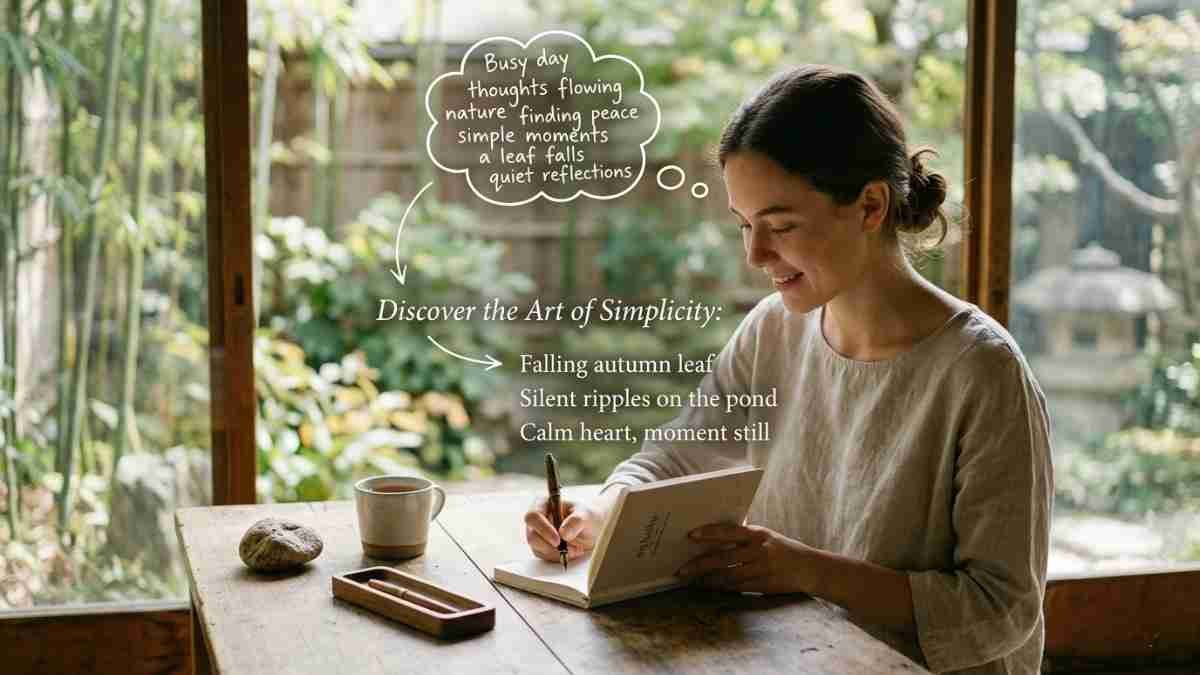
In a world that often feels overwhelmingly loud and fast, there is a quiet, powerful art form that has captivated hearts for centuries: haiku. This traditional Japanese poetry style distills moments of beauty, emotion, and nature into just three lines and seventeen syllables. Today, the spirit of this ancient craft is finding a new home in the digital age, thanks to platforms and personal practices centered around myhaiku. Whether you are a seasoned poet or someone who simply wants to find a moment of peace, embracing this minimalist form of expression can be a transformative experience. Let’s explore how myhaiku is more than just a poem; it is a doorway to mindfulness, creativity, and connection.
The Essence of Haiku in Modern Times
Haiku has long been revered for its ability to capture a fleeting moment, often drawing inspiration from the natural world. The traditional structure—five syllables in the first line, seven in the second, and five in the third—forces the writer to be economical with words while rich with meaning. In our modern era of constant notifications and information overload, this practice has become increasingly valuable. Engaging with myhaiku allows individuals to slow down, observe their surroundings, and articulate profound thoughts with elegant brevity.
A Digital Sanctuary for Poets
The concept of myhaiku extends beyond the page. With the rise of digital platforms, apps, and online communities, poets now have a sanctuary where they can share their work, receive gentle feedback, and find inspiration. These spaces preserve the traditional roots of haiku while fostering a global community. Here, a teenager in Tokyo and a retiree in New York can connect over a shared love for capturing the quiet beauty of a morning sunrise or the melancholy of autumn rain. This digital evolution ensures that the art form remains relevant, accessible, and deeply personal.
Finding Mindfulness Through Structured Creativity
One of the most profound benefits of crafting myhaiku is its inherent connection to mindfulness. The very act of counting syllables and observing the world for inspiration requires a level of presence that is often missing from our daily routines. When you sit down to write a haiku, you are essentially practicing meditation through language.
The Therapeutic Power of Seventeen Syllables
Writing haiku forces you to focus. You begin to notice the small details: the way steam rises from a cup of coffee, the sound of leaves skittering across the pavement, or the specific shade of blue just before dusk. By translating these observations into the strict structure of myhaiku, you engage both the logical and creative parts of your brain. This process can be incredibly therapeutic, serving as a form of emotional release or a tool for managing anxiety. It turns fleeting, overwhelming thoughts into manageable, beautiful pieces of art. For many, this practice becomes a daily journal, a way to document not just what they did, but how they felt.
Building a Community Around Shared Poetry
While writing haiku is often a solitary act of introspection, sharing myhaiku opens the door to community. There is a unique vulnerability in sharing a poem; you are offering a glimpse into your perception of the world. However, the haiku community is known for its supportive nature. Because the form is so concise, feedback tends to focus on word choice, imagery, and the emotional resonance of the piece rather than harsh criticism.
Connecting with Fellow Enthusiasts
When you join a group dedicated to myhaiku, you enter a space where mutual respect is the norm. These communities often host weekly challenges, seasonal themes, and collaborative projects. For instance, a “spring rain” challenge might yield hundreds of different interpretations, showcasing how diverse human experience can be. This collective creativity not only improves your own writing skills as you learn from others but also combats feelings of isolation. In a world where digital interaction can sometimes feel superficial, sharing poetry creates genuine bonds based on emotional honesty and shared artistic passion.
Practical Tips for Crafting Your Own Haiku
If you are new to this art form, starting your journey with myhaiku might feel intimidating, but it doesn’t have to be. The beauty of haiku lies in its simplicity and accessibility. You do not need a degree in literature to create a piece that resonates deeply with others or with yourself.
To begin, carry a small notebook or use a note-taking app on your phone. When you see or feel something that sparks a reaction, write it down. It could be as simple as “cold wind” or “baby’s laugh.” Later, try to mold that observation into the 5-7-5 structure. Remember that modern haiku often allows for flexibility; the essence is more important than strict syllable counting. Focus on juxtaposition—placing two images or ideas together to create a sudden feeling of insight. For example, pairing “old silent pond” with “a frog jumps in” creates the “sound of water.” That moment of contrast is where the magic of myhaiku lives. Don’t worry about being perfect. The goal is expression, not perfection.
The Lasting Impact of a Simple Practice
Incorporating myhaiku into your life is not just about writing poetry; it is about cultivating a new way of seeing. Over time, practitioners often report feeling more grounded, observant, and grateful. The discipline of finding beauty in the mundane rewires the brain to look for the positive and the poignant throughout the day. Instead of scrolling through your phone during a quiet moment, you might find yourself composing a haiku about the stillness of the room.
This practice also serves as a legacy. A collection of your haiku becomes a map of your inner life, documenting your connection to the seasons, your travels, your joys, and your sorrows. It is a tangible record of your unique perspective. Whether you choose to share your work publicly or keep it as a private journal, the act of creating myhaiku enriches your life by adding layers of meaning to everyday experiences. It reminds us that we don’t need grand adventures to find poetry; we just need to pay attention.
Frequently Asked Questions (FAQ)
What exactly is haiku?
Haiku is a traditional form of Japanese poetry consisting of three lines. Traditionally, it follows a 5-7-5 syllable pattern and often focuses on nature, seasons, or a fleeting moment of insight.
Do I have to follow the 5-7-5 syllable rule strictly for myhaiku?
Not necessarily. While the traditional structure is a great starting point, many modern haiku poets prioritize brevity and the juxtaposition of images over strict syllable counts. The goal is to capture a moment clearly and concisely.
How can I get started writing my own haiku?
Start by observing your surroundings. Take a few minutes each day to notice small details—a sound, a sight, a texture. Write down a few words about that observation, then try to shape those words into a three-line poem. Practice consistently, and don’t be afraid to experiment.
Is there a community for haiku writers?
Yes, there are many vibrant online communities, social media groups, and local workshops dedicated to haiku. These spaces are great for sharing your work, participating in challenges, and receiving supportive feedback from fellow enthusiasts.
Can writing haiku help with mental well-being?
Absolutely. The focused observation and creative expression involved in writing haiku can be a form of mindfulness, helping to reduce stress, manage anxiety, and foster a greater sense of presence and gratitude.
Conclusion
The journey into poetry does not require a grand epic. Sometimes, the most profound expressions are found in the smallest packages. By embracing myhaiku, you are not just learning a poetic form; you are adopting a lens through which the world becomes richer, quieter, and more meaningful. It is a practice that blends the ancient with the modern, the solitary with the communal, and the simple with the profound. Whether you seek mindfulness, creative fulfillment, or simply a new way to connect with others, the path of haiku awaits. So, take a breath, look around, and capture the moment in seventeen syllables. You might be surprised by what you discover about yourself and the world around you.

Discover the Art of Simplicity: How myhaiku Transforms Thoughts into Poetry

Social Security Group 1 Direct Deposit: What It Means for Your Benefits

Why Bastinews.xyz Is Your Go-To Source for Reliable Daily Updates

How TVNado Is Transforming the Future of Smart Tech

Discover Key Benefits of Germkezmis1212 Explained Fully Now

Respecting Privacy Around Elizabeth Rizzini Disability Issue
-

 Games1 week ago
Discover the Ultimate Gaming Hub with amaangameworld
-

 Tech1 week ago
The Complete Guide to Gofo Tracking: Stay Updated in Real Time
-

 Education7 days ago
Making Tactile Learning Accessible: A Deep Dive into bumpdots.com
-

 Tech1 week ago
Understanding URLWO: The Future of Web Organization and Digital Navigation
-

 Tech1 week ago
Understanding Laaster: A Comprehensive Guide to Its Modern Relevance
-

 Travel1 week ago
Unlock Hidden Gems with Expert local travel guides gonzay com
-

 Games1 week ago
Discover Premium Online Gaming Entertainment at mami188com
-

 Fantasy Lore1 week ago
The Untold Journey: Was valinor shadowfax Gandalf’s Final Destination?